
Heat pump heating & cooling
One System. Heating and Cooling. 3x the Efficiency.
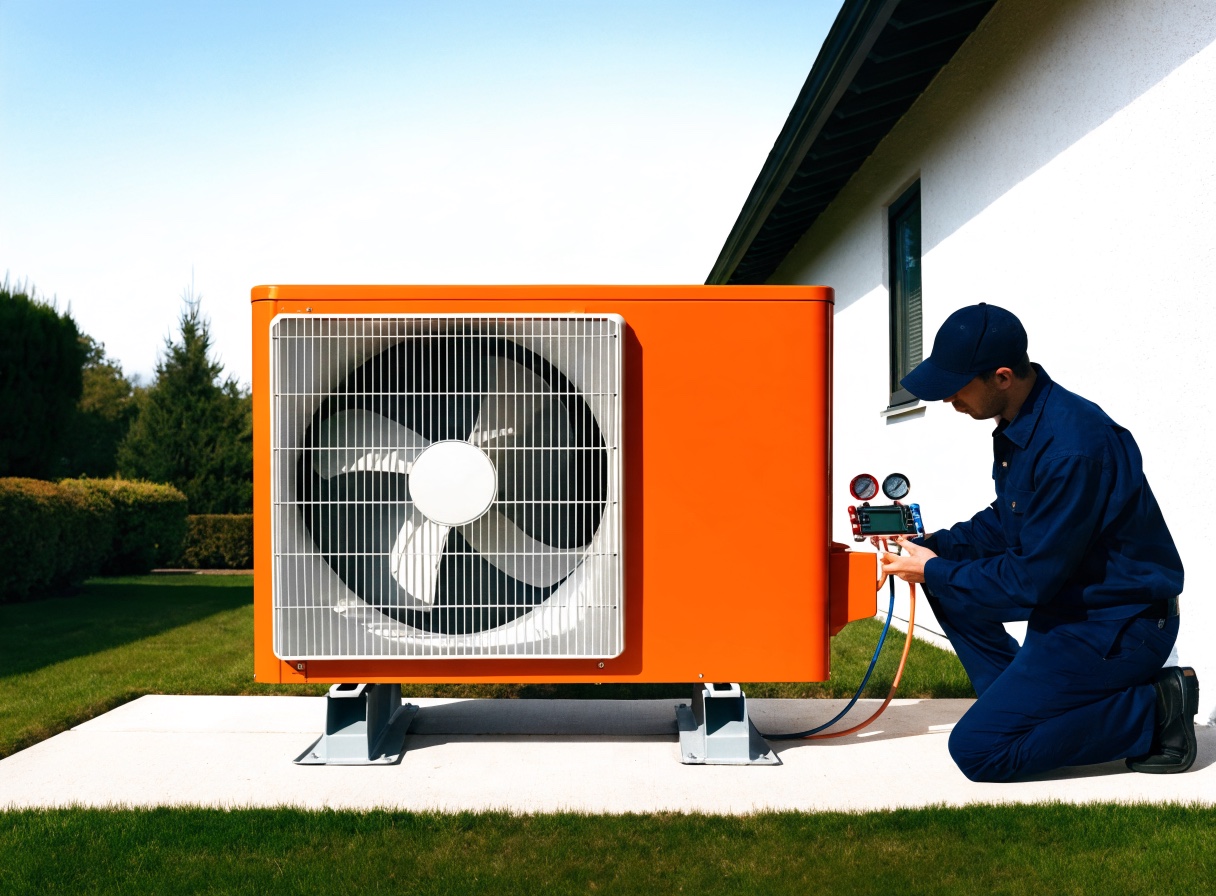
A heat pump moves heat instead of burning fuel to make it — which is why it delivers two to three units of heat for every unit of electricity it uses.
Modern heat pump systems
The technology finally caught up to the promise.
Ten years ago, heat pumps in the Northeast came with an asterisk — great until it got really cold. That asterisk is gone. Modern cold-climate heat pumps heat comfortably well below zero, and they do it at efficiencies no furnace can touch: moving heat takes far less energy than making it.
One outdoor unit replaces both your AC and your heating system — cooling in July, heating in January, all electric, no combustion in the house. Paired with today's utility rebates and federal incentives, replacement math that used to favor 'another furnace' increasingly lands on a heat pump instead.
AJM installs and services central (ducted) heat pumps and dual-fuel setups that keep a gas furnace as a cold-snap backup. We'll run your home's actual numbers — including incentives — and tell you honestly whether a heat pump wins for your house, because for some homes it genuinely doesn't yet.
What's included
Heat pump service, full stack
Cold-climate rated systems, sized from your home's real load calculation.
Heat pump primary with gas backup — maximum efficiency with a cold-snap safety net.
Reversing valves, defrost boards, refrigerant — diagnosed and fixed on all major brands.
Replacing a dying AC? The heat pump often costs little more and heats too.
We quote with current utility and federal incentives applied — the real net price.
Twice-yearly checks tuned to heat pump duty cycles, which run year-round.
Know the warning signs
Six signs a heat pump makes sense for you
The decision point. Upgrading the condenser to a heat pump while you're replacing anyway is the cheapest path in.
Heat pumps typically cut those heating costs dramatically — often by half or more.
No gas burning in the house, no flue, no CO risk. Some households simply want that.
A ducted heat pump drops into existing ductwork — the retrofit is straightforward.
Current incentives materially change the math. They won't last forever.
Variable-speed heat pumps run low and long — steadier temperatures, better humidity control.
Noticing one or more of these? Request service before a small issue becomes a replacement.
How it works
Getting to yes (or honest no)
- 1Load calculation first
We measure your home's real heating and cooling demand — the number everything depends on.
- 2Options with net pricing
Heat pump, dual-fuel, or like-for-like replacement — quoted with incentives applied.
- 3Professional installation
Typically 1-2 days including electrical and controls, tested in both modes.
- 4Verified in both seasons' modes
Heating and cooling both commissioned, defrost verified, controls explained.
Common questions
Heat Pump Systems FAQs
Do heat pumps really work when it's freezing?
Modern cold-climate units maintain full output well below 20°F and keep heating below zero. For homes that want belt-and-suspenders, a dual-fuel setup keeps gas backup for the coldest snaps.
What does a heat pump cost to run vs. gas?
It depends on your electric and gas rates — in our area it's usually competitive with gas and much cheaper than oil or electric baseboard. We'll run your actual rates, not a national average.
Can I keep my furnace as backup?
Yes — that's a dual-fuel system, and it's often the smartest configuration here: heat pump handles 90% of the season at high efficiency, furnace takes the brutal cold.
What incentives are available right now?
Utility rebates plus federal tax credits can take thousands off qualifying cold-climate systems. Programs change; we quote with whatever is current so you see the real net price.
Request service
Ready when you are.
Tell us what's going on with your heat pump and we'll get back to you fast — usually the same day. Prefer to talk? Call (215) 271-0682 any time, day or night.